Our Projects
Strategic initiatives focused on ecological restoration, cultural preservation, and environmental education through community-rooted approaches.
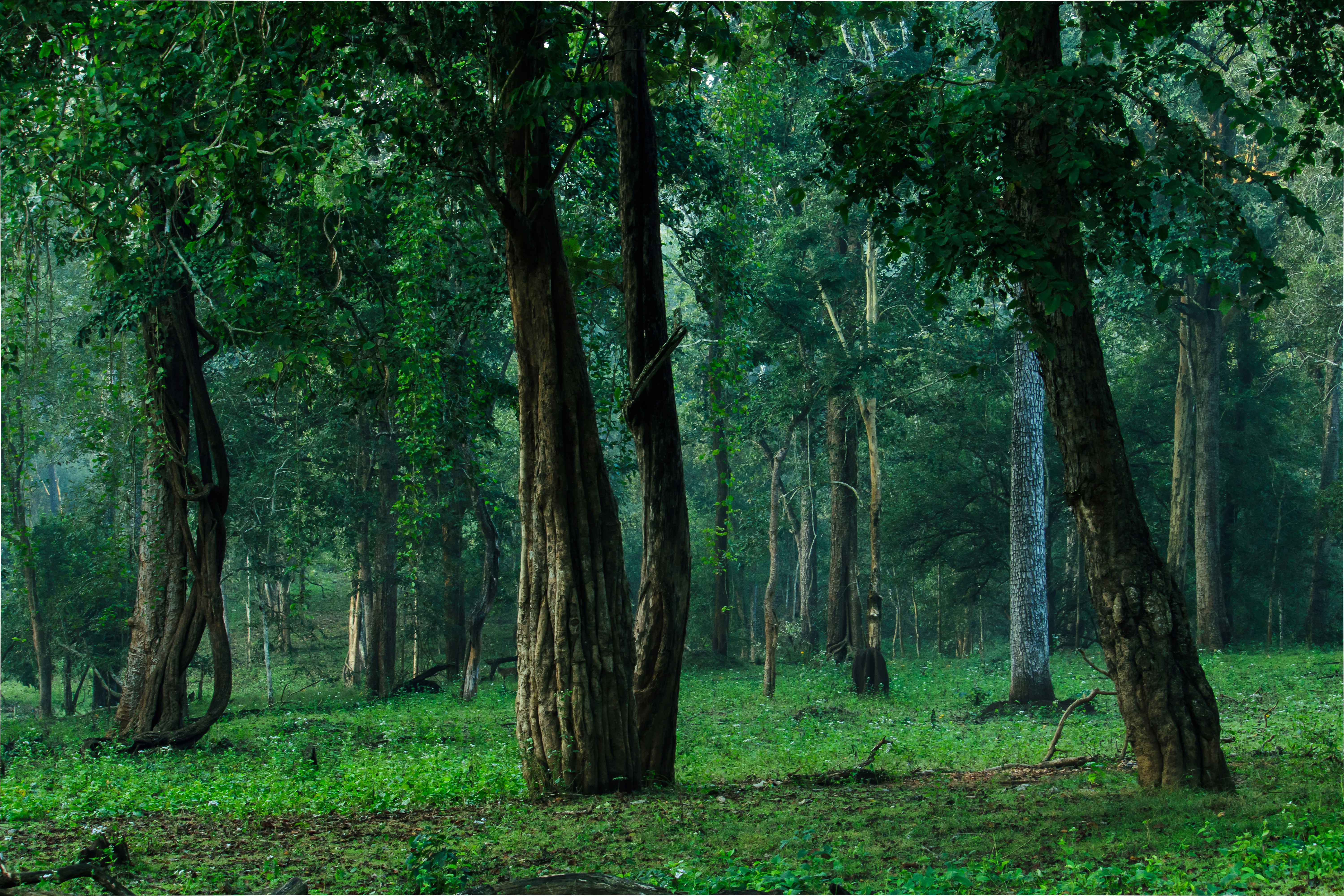
Reviving the Palghat Gap
A Community-Rooted and Multidisciplinary Model for Ecological Restoration
Our Goal
To restore the ecological balance of the Palghat Gap by addressing habitat loss, groundwater decline, invasive species spread, and cultural disconnect through community-driven and science-based restoration approaches.
Key Activities
- ✓Community-level tree planting and native vegetation restoration
- ✓Ecological assessments mapping land-use change, habitat fragmentation, and biodiversity decline
- ✓Collaborations with educational institutions, local governing bodies, and forest departments for restoration planning
- ✓Awareness programs reconnecting people with the ecological and cultural importance of the Palghat Gap
Impact
- ★Strengthened community stewardship in a highly vulnerable biogeographic corridor
- ★Rejuvenation of degraded habitats and improved ecological connectivity
- ★Increased public awareness of the Palghat Gap's biodiversity, history, and climate significance
Celebrating the Cultural Heritage of Black Palmyrah
A Pathway to Sustaining Coexistence
Our Goal
To revive the cultural, ecological, and livelihood significance of Black Palmyrah by documenting its values and heritage, producing educational and media outreach materials to engage diverse communities, and restoring planting traditions to re-establish its role in local landscapes and community memory.
Key Activities
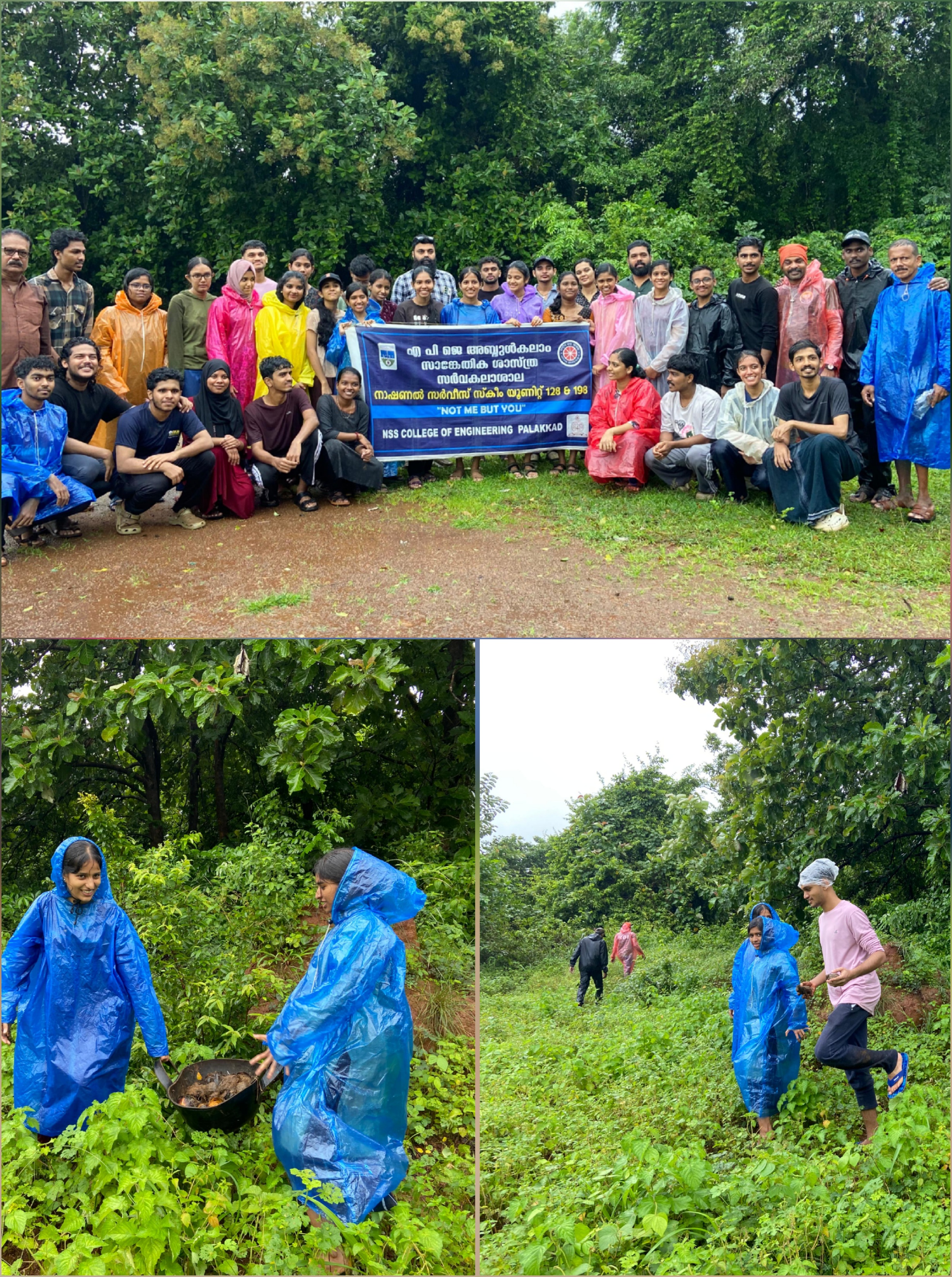
- ✓Black Palmyrah plantation drives with educational institutions, NGOs, local bodies, and community groups
- ✓Documenting cultural stories, historical uses, and traditional ecological knowledge
- ✓Promoting palm-based ecological functions such as water retention, microhabitat support, and climate resilience
- ✓Youth engagement programs linking identity, nature, and culture
Impact
- ★Revival of cultural pride and ecological understanding of Palmyrah
- ★Restoration of a keystone species that supports biodiversity and traditional livelihoods
- ★Strengthened human–nature relationships through shared cultural ecology
Growing Guardians
Palmroots' Strategy to Overcome Conservation Barriers Through Education
Our Goal
To cultivate a generation of informed and responsible young conservationists by transforming environmental education into hands-on, curiosity-driven learning.
Key Activities
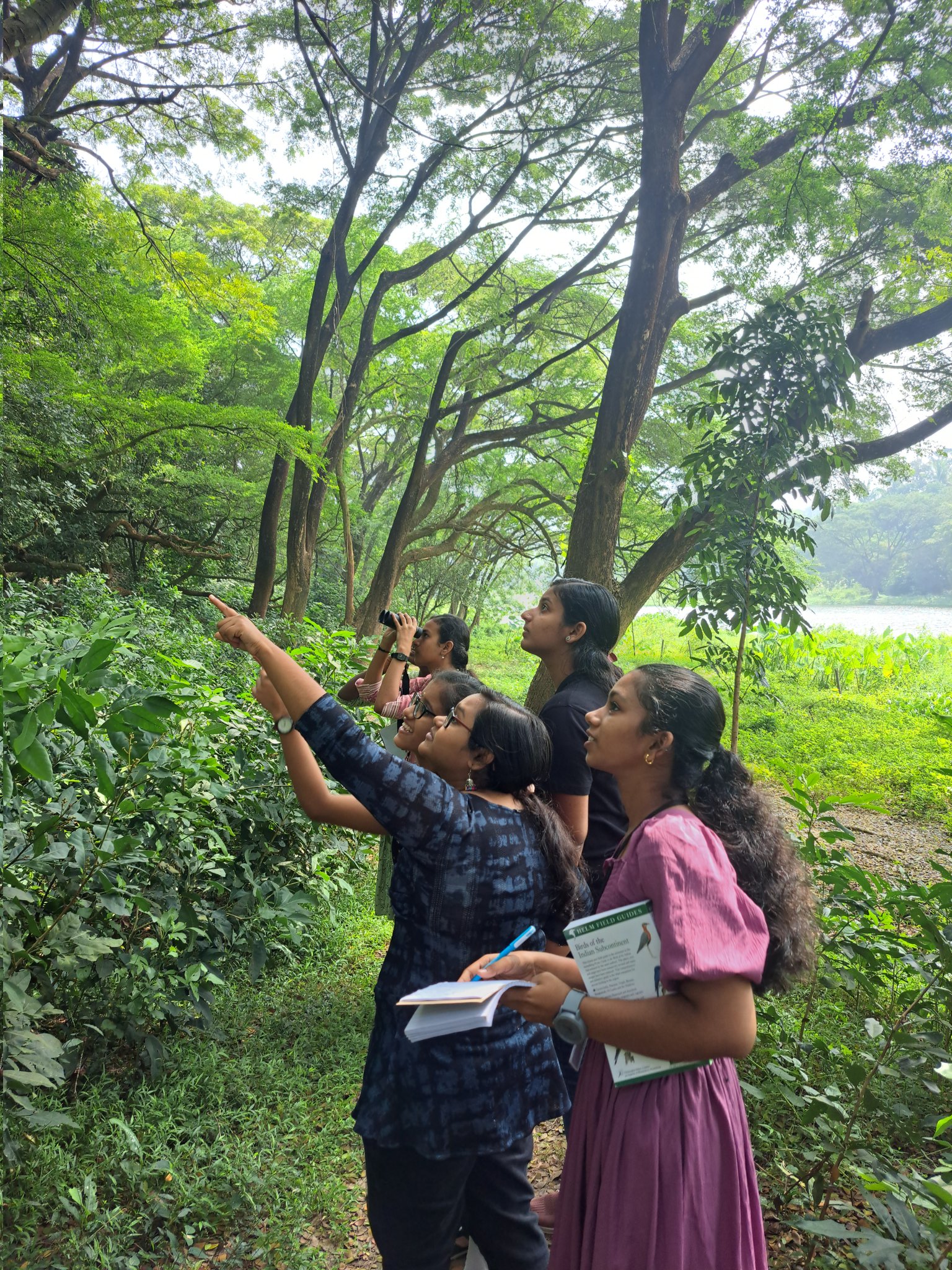
- ✓Birdwatching sessions, biodiversity walks, and school–college workshops
- ✓Mentoring students in research projects, dissertations, and citizen science documentation
- ✓Nature camps offering experiential learning in forests and rural landscapes
- ✓Developing teaching modules, storytelling sessions, and ecological learning tools
Impact
- ★Hundreds of students empowered with ecological knowledge and observation skills
- ★A shift from textbook learning to outdoor, inquiry-based learning that strengthens conservation values
- ★A growing network of young "eco-guardians" influencing communities and campuses
Restoring Resilience
Native Grassland Recovery & Invasive Plant Removal in Nelliyampathy's Nilgiri Tahr Landscape
Our Goal
To restore native shola–grassland ecosystems critical for the Nilgiri Tahr and other hill biodiversity by removing invasive plants and supporting natural regeneration.
Key Activities
- ✓Field studies documenting the extent of invasive species such as Lantana camara
- ✓Community and volunteer-based invasive plant removal and restoration work in selected pilot plots
- ✓Research support to understand grassland species composition and regeneration patterns
- ✓Awareness programs highlighting the ecological importance of grasslands and Nilgiri Tahr habitats
Impact
- ★Improved habitat quality and availability for Nilgiri Tahr and other endemic species
- ★Protection of shola–grassland mosaics—one of the most endangered ecosystems in the Western Ghats
- ★Community participation strengthened through a scalable restoration model